
Asphalt Paving vs. Concrete: Choosing the Right Surface
People exploring asphalt paving vs. concrete can find local contractors who can help determine the best surface for their needs and handle the installation.
Choosing the right surface for a property’s driveway, parking lot, or outdoor space can significantly impact its functionality and appearance. Property owners in the area often explore the differences between asphalt paving and concrete to determine which material best suits their needs, whether for durability, maintenance, or aesthetic preferences. This page provides practical insights into these options, helping visitors understand the key factors involved and how local contractors specializing in asphalt paving can assist in making an informed decision.
Asphalt paving services offered by local contractors are a common solution for those weighing the benefits of different surfaces. Understanding the advantages and limitations of asphalt versus concrete can guide property owners toward a choice that aligns with their usage patterns, budget, and long-term goals. Keep reading to learn more about the characteristics of each material and how experienced service providers can help bring the right surface to life for your property.
- Driveway installation - homeowners considering asphalt paving vs. concrete for their driveway can rely on local contractors to recommend the best surface based on durability and maintenance needs.
- Parking lot paving - business owners seeking a long-lasting and cost-effective solution often turn to local service providers experienced in asphalt paving vs. concrete for commercial lots.
- Pathways and walkways - property managers choosing between asphalt paving vs. concrete for pedestrian paths can consult local pros to ensure proper installation and longevity.
- Repaving and resurfacing - those updating existing surfaces may work with local contractors to determine if asphalt or concrete offers better performance for their specific project.
- Industrial paving projects - industrial facilities requiring robust surfaces often rely on local service providers to assess whether asphalt paving vs. concrete better suits heavy traffic and load requirements.
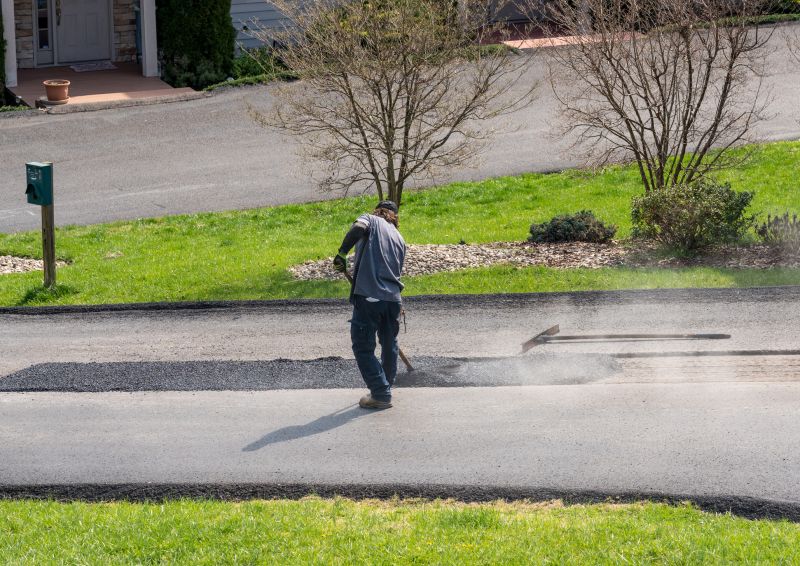
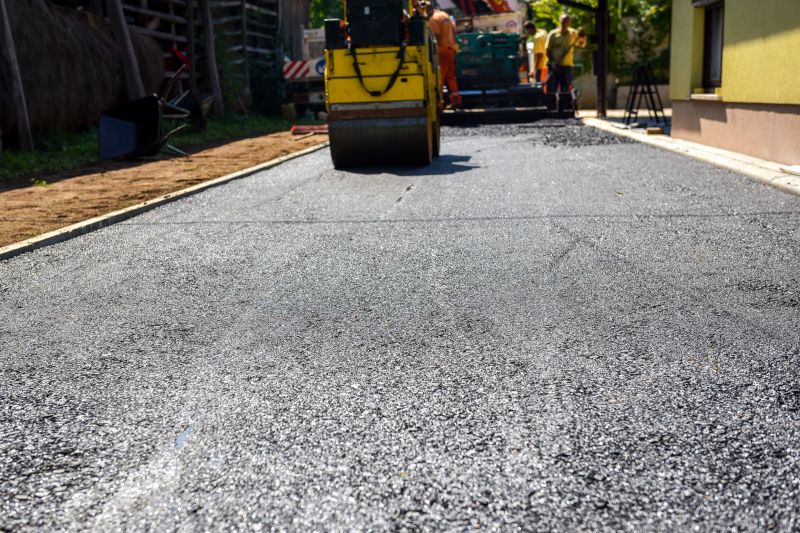
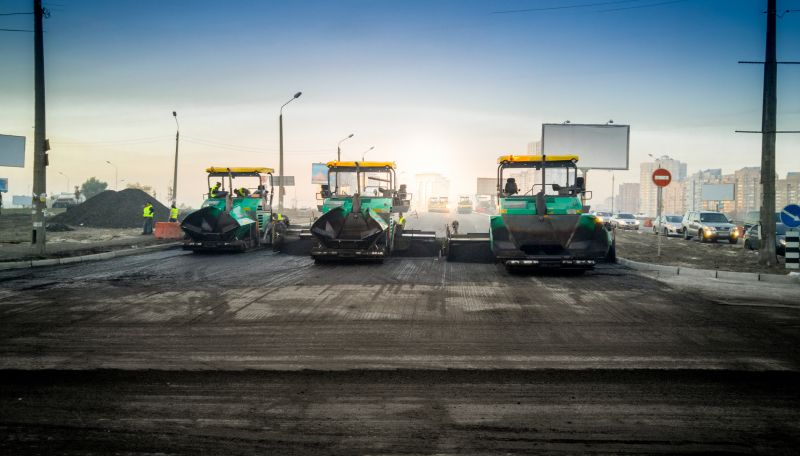
When people search for asphalt paving vs. concrete: choosing the right surface, they are often trying to determine which material best suits their specific project needs. Homeowners typically consider this topic when planning to install or replace driveways, walkways, patios, or parking areas. The decision involves evaluating factors such as durability, appearance, maintenance requirements, and cost. Many property owners want to understand how each material performs over time and how it will impact the overall look and functionality of their property. Local contractors who specialize in paving can provide insights into these differences, helping homeowners make informed choices based on their property’s unique characteristics and usage plans.
This comparison is closely related to common property problems and planning considerations. For example, a homeowner might be dealing with cracks or potholes in an existing driveway and wonder whether to repair with asphalt or switch to concrete. Others may be designing a new outdoor space and want to weigh the long-term benefits of each surface type. The topic also ties into projects aimed at improving curb appeal or increasing property value. Whether the goal is a smooth, low-maintenance surface or a more decorative finish, understanding the strengths and limitations of asphalt paving vs. concrete helps property owners align their plans with practical outcomes. Local service providers can assess the property’s conditions and recommend the most suitable material based on these needs.
The types of properties that often come up in discussions about asphalt paving vs. concrete: choosing the right surface include residential homes, commercial buildings, and public spaces. Residential properties frequently feature driveways, patios, and walkways where durability and appearance are key concerns. Commercial properties may require large parking lots or loading areas that need to withstand heavy traffic and weather exposure. Public spaces such as parks or community centers also consider these surfaces for pathways and recreational courts. Each property type presents different demands, and local contractors experienced in both asphalt and concrete can help identify the best solution that balances functionality, aesthetics, and longevity.
Ultimately, understanding how asphalt paving and concrete compare helps homeowners connect their project goals with the right service providers. While asphalt offers quick installation and flexibility for future repairs, concrete provides a more permanent, often more decorative surface. The choice depends on factors like climate, usage intensity, budget, and desired appearance. Local contractors who specialize in paving can evaluate the specific conditions of a property and recommend the most appropriate material. Whether the project involves a simple driveway upgrade or a complex outdoor renovation, choosing the right surface is a key step toward achieving a durable, attractive, and functional outdoor space.
Paving Driveways - local contractors specializing in driveway installation can help determine whether asphalt or concrete suits specific property needs and aesthetics.
Parking Lot Construction - professionals experienced in large-scale paving projects can advise on surface choices based on durability and usage patterns.
Sidewalk and Pathway Installation - skilled service providers can assist in selecting the right material for safety, longevity, and style considerations.
Industrial and Commercial Paving - local pros can evaluate the best surface type for heavy traffic and load requirements in commercial settings.
Patio and Outdoor Surface Projects - experts can help choose between asphalt and concrete to match outdoor design goals and functional needs.
Repaving and Surface Repair - experienced contractors can assess existing surfaces and recommend suitable resurfacing options to extend lifespan.
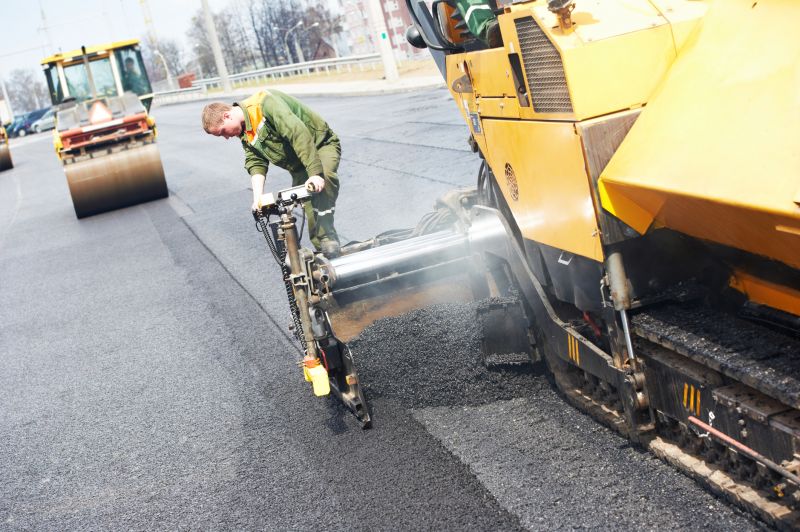
When evaluating asphalt paving versus concrete for a driveway or other surface, it’s important to consider the experience of local contractors with similar projects. Homeowners should seek out service providers who have a proven track record handling the specific type of surface they are interested in. Asking for examples of past work or references can provide insight into their familiarity with the unique requirements and challenges associated with asphalt paving or concrete installation. Contractors with relevant experience are more likely to understand the nuances of surface preparation, weather considerations, and long-term durability, helping ensure the chosen material meets expectations.
Clear, written expectations are essential when comparing local service providers for asphalt paving or concrete work. Homeowners should look for contractors who can provide detailed proposals outlining the scope of work, materials to be used, and the estimated process involved. Having this information in writing helps prevent misunderstandings and ensures everyone is aligned on project goals. Good communication from the start can also indicate that the contractor values transparency and is committed to delivering a quality result, making it easier to compare options objectively.
Reputable references and strong communication are key factors in selecting the right service provider for asphalt paving or concrete projects. Homeowners should inquire about references from previous clients who had similar work done, as this can reveal the contractor’s reliability and the quality of their finished projects. Additionally, observing how promptly and clearly a contractor responds to questions during initial discussions can provide a sense of their professionalism and willingness to keep clients informed throughout the process. Choosing a contractor who demonstrates transparency and effective communication can lead to a smoother experience and a final surface that aligns with the homeowner’s needs and expectations.
Property owners often search for asphalt paving vs. concrete: choosing the right surface when they are planning practical projects around their homes and businesses. Local pros provide Asphalt Paving services for everyday jobs and straightforward project options.
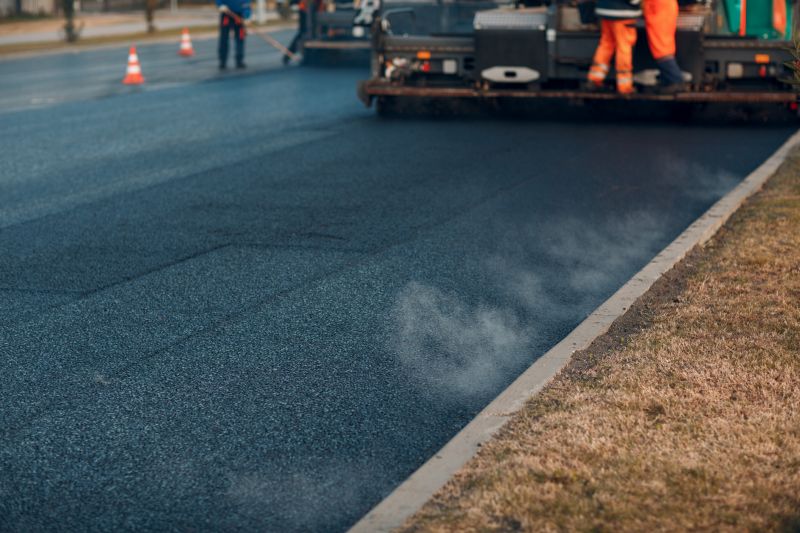
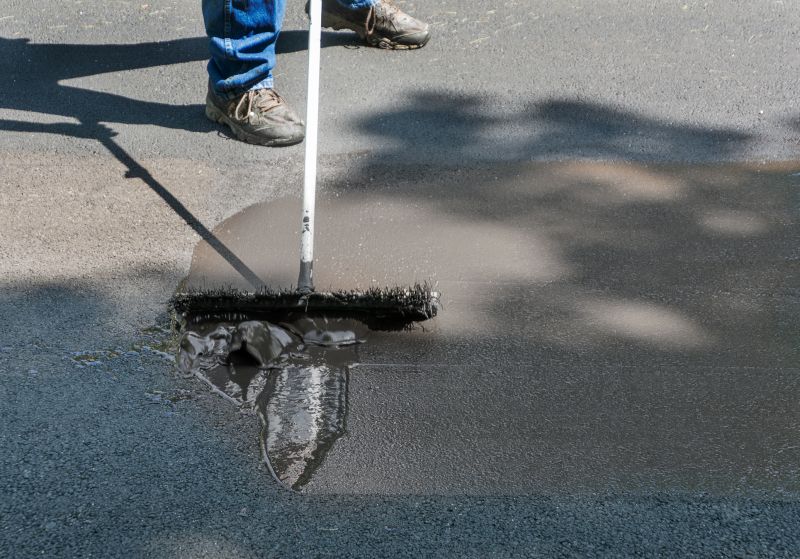
When considering a new surface for driveways, parking areas, or walkways, property owners often compare asphalt paving versus concrete to determine which best suits their needs. Asphalt paving tends to be favored for its quick installation and smooth finish, making it a popular choice for those seeking a cost-effective and efficiently completed project. On the other hand, concrete offers durability and a longer lifespan, which can be appealing for high-traffic areas or properties that want a more permanent solution. Local contractors can help evaluate the specific conditions and usage plans to recommend the most suitable surface type for each project.
Many property owners look into asphalt paving services because of the versatility and maintenance factors associated with the material. Asphalt generally allows for easier repairs and resurfacing, which can be beneficial for properties expecting future updates or needing quick turnaround times. Conversely, concrete might be preferred for its strength and low maintenance over time, especially in areas with heavy loads or extreme weather conditions. Local service providers can provide guidance on these differences and help property owners choose the right surface based on their project goals and daily use.
What are the main differences between asphalt paving and concrete surfaces? Asphalt paving typically offers a smoother, more flexible surface that is easier to repair, while concrete provides a durable, long-lasting finish with a more rigid structure. Local contractors can help determine which material suits specific project needs based on usage and conditions.
How does the choice between asphalt paving and concrete affect maintenance? Asphalt surfaces generally require regular sealing and patching, whereas concrete may need crack repairs over time. Local service providers can advise on maintenance routines suited to each surface type to ensure longevity.
Which surface is better for areas with heavy vehicle traffic? Concrete often handles heavy loads better due to its strength and rigidity, making it suitable for high-traffic areas. Local contractors can assess site conditions to recommend the best option for durability under heavy use.
Can local pros provide guidance on the aesthetic options for asphalt paving vs. concrete? Yes, asphalt can be customized with color and texture options, while concrete allows for decorative finishes like stamping and staining. Service providers can help explore design choices that match the project’s style.
Are there environmental considerations when choosing between asphalt paving and concrete? While environmental factors are not the primary focus here, asphalt paving often allows for easier recycling, and concrete can be made with sustainable materials. Local contractors can offer insights based on project requirements and available materials.
Assessing durability needs - Property owners can evaluate how often their driveway or parking area will be used to determine if asphalt paving services from local contractors are suitable for long-term wear.
Considering appearance and style - Choosing between asphalt paving vs. concrete involves thinking about the desired look, with local service providers offering options that complement the property's aesthetic.
Evaluating maintenance requirements - Property owners can plan for upkeep by understanding the maintenance needs of asphalt paving, with local contractors providing guidance on longevity and repairs.
Matching budget and project scope - Deciding on the right surface involves balancing budget considerations, with local pros helping to identify options that fit the project's scale and financial plan.
If you are thinking about asphalt paving vs. concrete: choosing the right surface for a property, this guide is meant to help you understand this topic, the typical project types, and how different options might fit your plans.
When you are ready, you can use the quote form on this page to share a few details about your project. From there, local pros can review the basics and follow up with options that match what you have in mind.